Air Vehicle Ground Support (AVGS)
AVGS refers to the range of vehicles, tools, and systems used to service aircraft between arrival and departure — ensuring safe, efficient, and timely turnarounds.
What is AVGS?
Ground Support Equipment (GSE) is the machinery and tools that handle all aspects of aircraft servicing on the apron. It includes equipment for aircraft handling, cargo/passenger operations, utilities, and maintenance. Without GSE, modern aviation's rapid turnaround times would be impossible.
Main Types of GSE / AVGS
GSE is broadly categorized into powered and non-powered equipment.
Uses internal combustion or electric motors for tasks requiring force, speed, or precision.
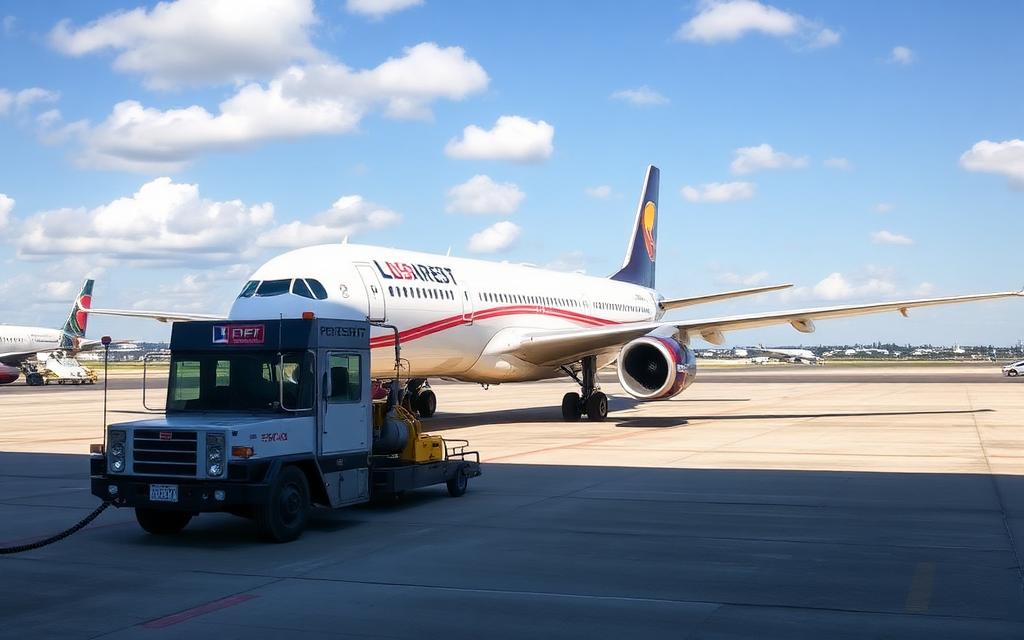
Move aircraft from gates (e.g., Tronair ETT-12X, Oshkosh LEKTRO®).
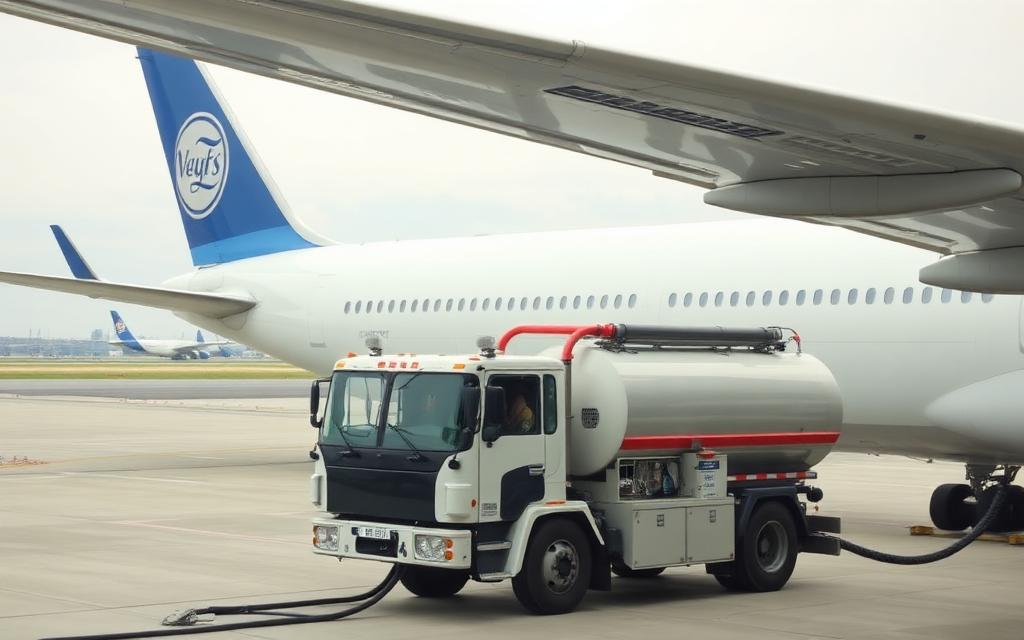
Transfer large volumes of aviation fuel with precision.
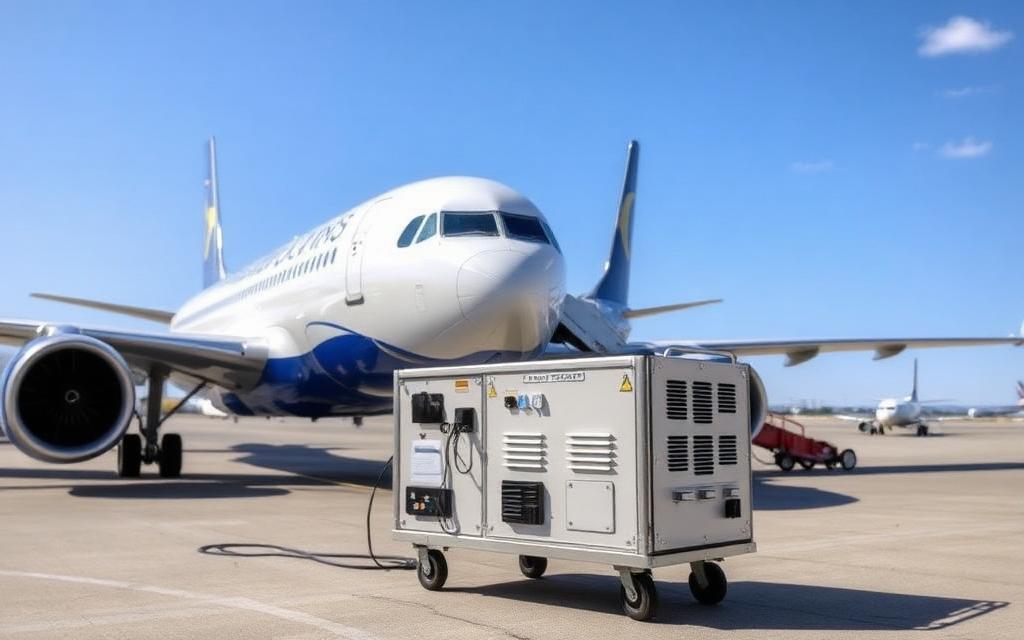
Supply electrical power while engines are off (e.g., JetGo iBS-28, JetAire® M60).
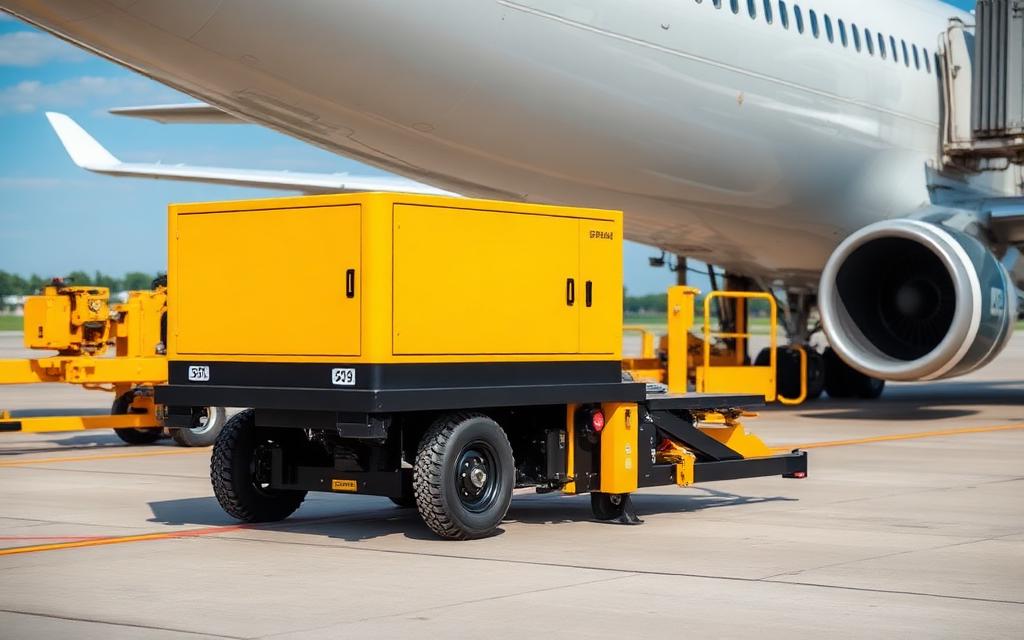
Provide hydraulic power for aircraft systems.
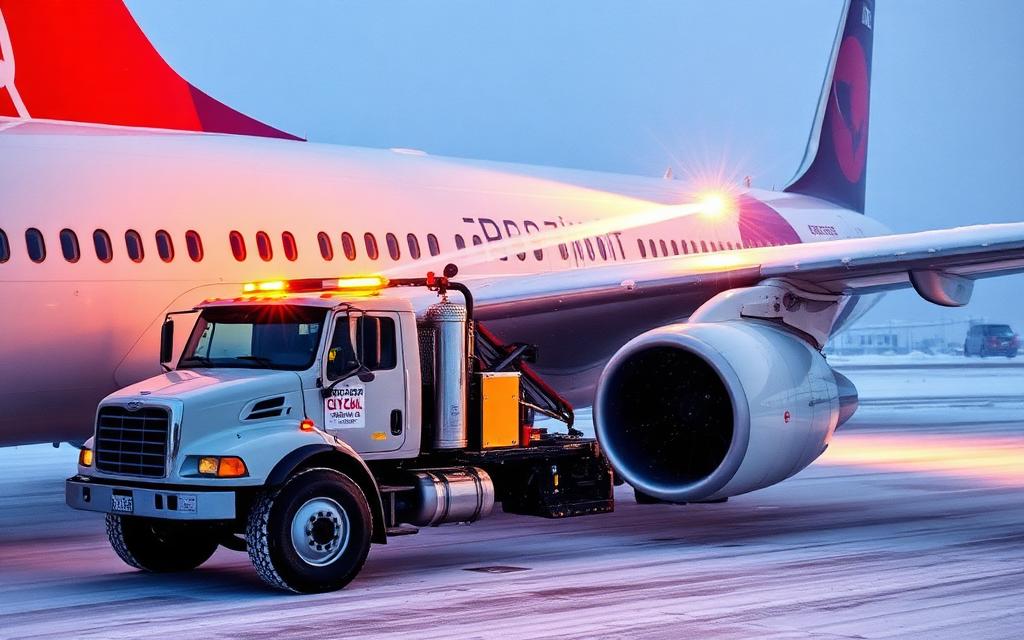
Remove ice and snow (e.g., Tempest-i™ deicers).
Operated manually or towed, often for lighter tasks.
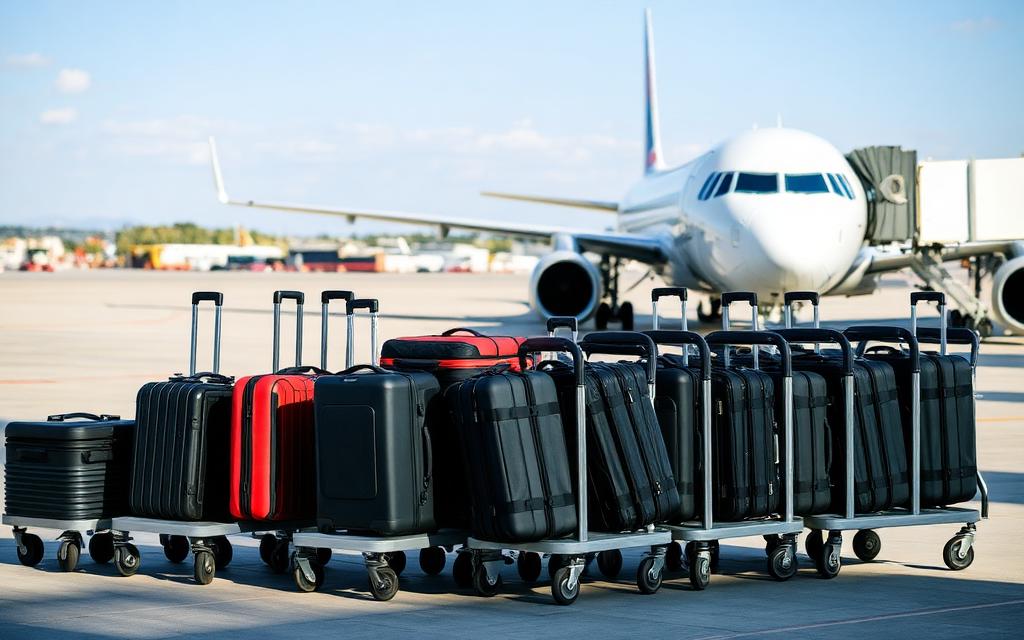
Move baggage and cargo between terminal and aircraft.
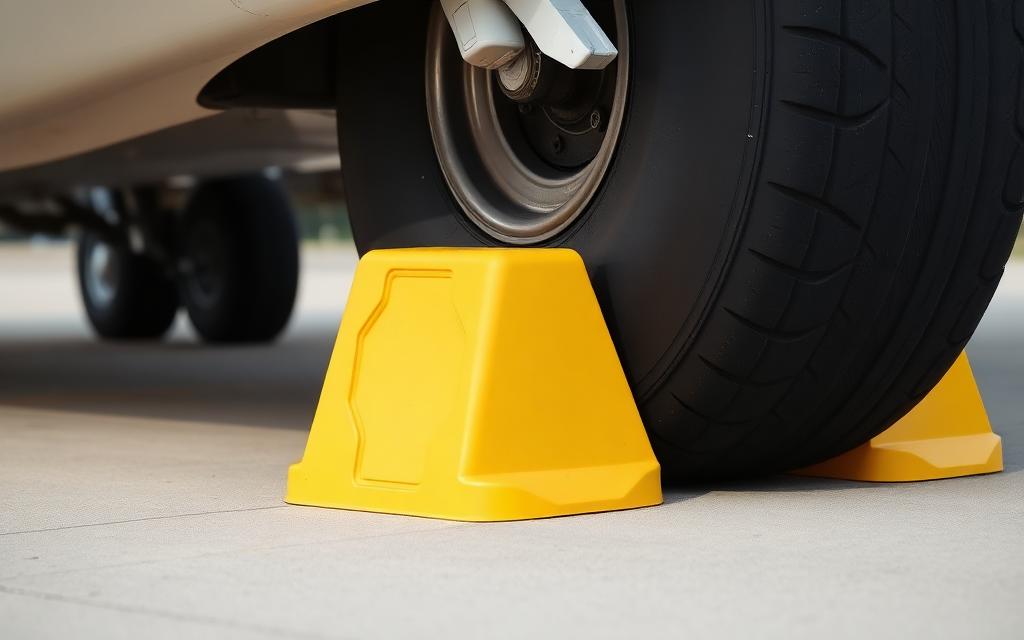
Secure the aircraft and prevent unintended movement.
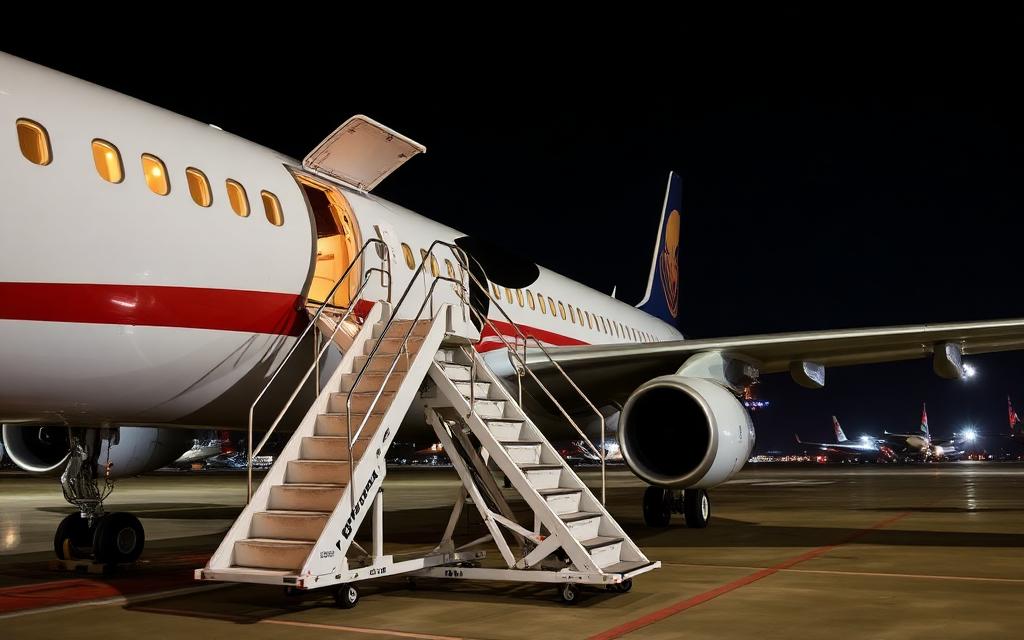
Safe access for passengers and maintenance crews.
Applications
Pushback / tow, positioning.
Boarding, deboarding, service carts.
Loading / unloading, baggage transport.
Power, air conditioning, water.
Jacking, lifting, inspection.
Monitoring and managing equipment operations.
Trends
Key Suppliers
High-capacity tugs, jacks, towbars.
Full GSE range, including electric tugs, GPUs, deicers.
GPUs, hydraulic units, parts, rentals.
Maintenance, repair, and servicing of GSE fleets.
In summary
AVGS is the backbone of airport operations, enabling the safe and efficient movement, servicing, and maintenance of aircraft. Choosing the right GSE — powered or non-powered — depends on the specific operational needs, aircraft type, and environmental goals.
Understanding Ground Support Equipment — Types and Applications
The swift and safe turnaround of an aircraft depends on a complex fleet of vehicles operating on the tarmac. This machinery — Ground Support Equipment — handles everything from towing the plane to loading cargo and conditioning the cabin air, making modern air travel possible.
Read the full article on National Aero Stands →What is Ground Support Equipment (GSE)?
GSE is the comprehensive range of vehicles and tools that services an aircraft between its arrival and departure. It forms the foundation of airport ground operations — supporting passenger boarding, cargo loading, refueling, and maintenance — while keeping turnarounds quick, safe, and efficient. Most tasks performed on a parked aircraft rely on GSE; without this specialized machinery, the rapid turnarounds essential to modern aviation would be impossible. GSE quality and reliability directly affect operational efficiency, safety, and on-time performance, and airlines are increasingly adopting electric GSE (eGSE).
Types of Ground Support Equipment
GSE falls into two main categories. Powered GSE includes vehicles with an internal combustion or electric engine for demanding tasks. Non-powered GSE operates without an onboard power source and is typically towed or handled manually.
Equipment spans every aspect of aircraft servicing:
- Aircraft Handling: METRO® Towbarless Tow Tractors
- Winter Operations: Tempest-i™ Deicers
- Logistics: B80® Baggage Tractors and Cargo Loaders
- Air & Power: JetAire® M60 Mobile Conditioned Air Units
- Electric GSE Support: Amp Cart™ Towable Charging Platforms
Drives airport apron operations. Internal combustion or electric motors perform operations requiring force, speed, and precision.
- Aircraft Tugs & Towbarless Tractors — move aircraft from the gate.
- Refuelers — transfer aviation fuel with precision.
- Ground Power Units (GPUs) — power lights, avionics, cabin systems while engines are off.
Handles essential tasks through manual operation or basic mechanics.
- Dollies & Carts — move baggage and cargo between terminal and aircraft.
- Wheel Chocks — secure the aircraft and prevent unintended movement.
- Aircraft Service Stairs — safe access for passengers and crews.
Works alongside powered machinery — a cargo loader lifts heavy containers while dollies transport them — enabling efficient operations without the cost of powered equipment.
Applications of Ground Support Equipment
Aircraft handling and servicing is a primary application. Key tasks include:
- Maneuvering Aircraft — pushback tractors and towbarless tugs move aircraft between gates, stands, and hangars.
- Supplying Power — GPUs provide electricity while the aircraft's engines are off.
- Cabin Climate Control — conditioned air units maintain comfortable cabin temperature without using the APU.
- Refueling — refuelers ensure the aircraft has fuel for its next journey.
GSE is also central to passenger and cargo flow:
- Passenger Boarding — stairs and transport buses when jet bridges are unavailable.
- Baggage & Freight Handling — belt loaders for loose items and container loaders for palletized cargo.
Future Trends in Ground Support Equipment
Transition to cleaner, quieter, more cost-effective electric equipment.
Autonomous vehicles handle repetitive tasks with greater precision and speed.
Sensors and real-time data enable smarter scheduling and predictive maintenance.
Anti-collision systems and improved operator comfort and control.
Sustainability drives industry transformation. Electric GSE (eGSE) increasingly replaces diesel-powered machines to cut emissions, reduce noise pollution, and lower long-term operational costs. By deploying electric baggage tractors and air conditioning units, airports meet environmental targets and create a healthier work environment.
What is worth remembering?
Ground Support Equipment forms an essential network of vehicles and tools that ensures aircraft are serviced safely and efficiently. From powerful pushback tractors to simple wheel chocks, each piece plays a critical role in enabling the swift turnarounds that define modern aviation. Quality GSE investment drives operational excellence — improving safety, boosting efficiency, and maintaining the reliability essential to aviation. As technology advances through electrification and automation, innovative ground support solutions will only grow in importance.